
Walk into any dessert shop in Toronto, and you will almost certainly face a delightful but slightly puzzling choice: gelato or ice cream? Both are cold, both are sweet, and both have the power to turn a difficult day into a manageable one. Yet despite their superficial similarities, gelato and ice cream are remarkably different products — different in their ingredients, their texture, their fat content, their serving temperature, and even the experience they offer your palate. At Quality Ice Cream Truck, we are passionate about frozen desserts in all their forms, and we believe that an informed customer is a happier customer. So let us settle this delicious debate once and for all.
The Origins: A Tale of Two Traditions
Ice cream as we know it today has roots stretching back centuries, with early frozen desserts appearing in Europe and Asia long before the Industrial Revolution made mass production possible. The American-style ice cream that most Toronto residents are familiar with became standardised in the 19th and 20th centuries, defined by high cream content, generous air incorporation, and a wide range of flavours and mix-ins.
Gelato, on the other hand, is specifically Italian in origin, hailing from a tradition of artisan frozen dessert-making that dates back to the Renaissance. The word gelato is simply the Italian word for frozen, but in practice, it refers to a very specific style of frozen dessert with its own set of standards, techniques, and cultural expectations. When you order a gelato at a reputable shop in Toronto, you are connecting with a centuries-old Italian craft tradition — a fact that makes the experience feel just a little more special.
The Ingredients: Where the Differences Begin
The most fundamental difference between gelato and ice cream lies in the ratio of ingredients used to make each product. Traditional American-style ice cream is made with a base of cream, milk, sugar, and egg yolks, with the emphasis firmly on cream. This high cream content is what gives ice cream its characteristic richness and its ability to hold a firm, scoopable shape even at cold temperatures.
Gelato, by contrast, uses a much higher proportion of whole milk to cream, and in many traditional recipes, little to no cream at all. Some gelato recipes also use fewer egg yolks than traditional ice cream, relying instead on milk proteins and natural starches to achieve their signature consistency. This difference in base composition has a cascading effect on virtually every other characteristic of the two products.
Fat Content: The Lighter Side of Gelato
Because gelato contains significantly less cream than traditional ice cream, it also contains substantially less fat. A typical premium ice cream can contain anywhere from 10 to 18 percent milkfat, with some luxury varieties exceeding that range. Gelato, by comparison, generally contains between 4 and 9 percent milkfat. This lower fat content has a direct impact on the mouthfeel of the product — gelato tends to feel lighter and less coatingly rich on the palate, though it often registers as more intensely flavoured than ice cream. This is partly because fat molecules can actually mask certain flavour compounds, so a lower-fat product allows the fruit, chocolate, nut, or other flavouring agents to shine more brightly.
For health-conscious diners in Toronto who are curious about our healthy ice cream options, this is a useful piece of information. Gelato is not necessarily a diet food — it still contains sugar and significant calories — but its lower fat content does make it a somewhat lighter choice in terms of saturated fat intake compared to premium ice creams.
Air Incorporation: The Science of Overrun
Here is a technical detail that surprises many people: the amount of air that is churned into a frozen dessert during production has a significant impact on its texture, density, and flavour intensity. In the frozen dessert industry, this is measured as overrun — the percentage by which the volume of the finished product exceeds the volume of the original mix.
American-style ice cream typically has an overrun of anywhere between 25 and 100 percent, meaning it can contain anywhere from 25 to 100 percent more air than the original base mixture. This is why a carton of inexpensive supermarket ice cream can feel surprisingly light and airy — and why it melts so quickly in the summer heat. Premium ice cream brands typically aim for a lower overrun to achieve a denser, richer product.
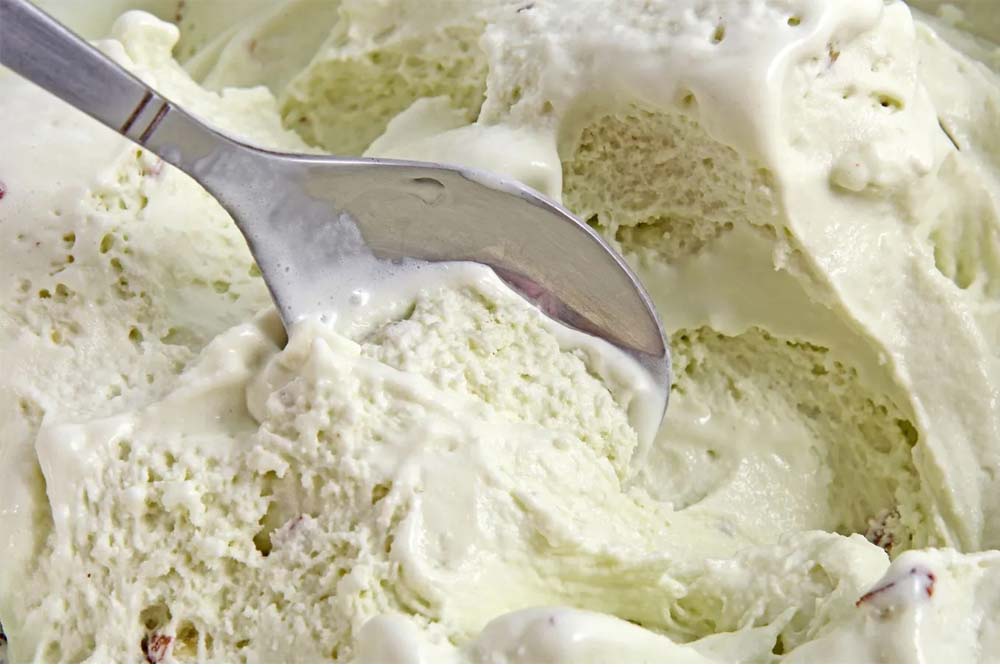
Gelato is churned much more slowly and at lower speeds than ice cream, incorporating significantly less air — typically an overrun of 20 to 35 percent. This results in a denser, heavier product that is intensely flavoured and has a characteristic silky, slightly sticky texture. When you take a spoonful of quality gelato, you notice the density immediately; it sits differently on the tongue and releases its flavours more slowly than a lighter, airier ice cream would.

Serving Temperature: A Critical Distinction
One of the most immediately noticeable differences between gelato and ice cream is the temperature at which each product is served. Ice cream is typically stored and served at temperatures between -15 and- 20 degrees Celsius, which gives it that classic firm, scoopable quality. Gelato, however, is traditionally stored and served at a slightly warmer temperature — typically around negative 11 to negative 14 degrees Celsius.
This warmer serving temperature is not an oversight or a matter of convenience; it is a deliberate part of the gelato experience. At slightly warmer temperatures, the fats and proteins in gelato take on a softer, more pliable consistency that is part of what gives gelato its characteristic texture. Gelato served too cold becomes hard and loses some of the nuanced textural qualities that distinguish it from ordinary ice cream.
Flavour Profiles: Intensity vs. Richness
Ask a gelato enthusiast what they love most about their favourite frozen treat, and they will almost invariably tell you it is the intensity of the flavour. Because of its lower fat content, lower overrun, and denser consistency, gelato delivers flavour in a concentrated, vivid way that is quite different from the creamy richness of premium ice cream. A pistachio gelato will taste unmistakably, almost aggressively, of pistachio. A lemon sorbetto — the dairy-free cousin of gelato — will deliver a citrus brightness that practically vibrates on the palate.
Ice cream, with its higher fat and air content, delivers flavour in a different register — one characterised by roundness, richness, and a deeply satisfying creaminess. A vanilla bean ice cream from Quality Ice Cream Truck will envelop you in warmth and comfort in a way that a vanilla gelato, however beautiful, may not quite replicate. Both experiences are valid; both are wonderful. The choice between them is largely a matter of mood and preference.
Which One Should You Choose in Toronto?
The honest answer is that you should choose whichever one sounds more appealing to you at the moment, because both gelato and ice cream are expressions of the same fundamental human desire for something sweet, cold, and comforting. At Quality Ice Cream Truck, we celebrate both traditions and encourage our Toronto and Brampton customers to explore the full spectrum of frozen dessert experiences.
If you want to learn more about complementing your chosen frozen treat, take a look at our guide to the best ice cream toppings, or explore the unique world of Rice Krispies ice cream for a fun textural adventure. And if you are on a health kick, our article on healthy ice cream will help you make choices that satisfy your cravings while supporting your wellness goals. You can always reach us at (437) 984-8106 or qualityicecreamtruck@gmail.com for personalized recommendations.
Final Thoughts
The difference between gelato and ice cream is more than just a matter of geography or naming convention. It is a story about ingredients, technique, culture, and the endlessly fascinating ways that human creativity has found to turn a simple combination of milk, sugar, and cold into a source of profound pleasure. Whether you are a gelato devotee who appreciates Italian craftsmanship or an ice cream loyalist who will never betray the classic scoop, Quality Ice Cream Truck is here to serve you with pride, passion, and the finest frozen desserts in Toronto.